

by Melanie Grosjean – Seeing animals in the wild or in zoos and parks is a popular activity for holiday-goers. In some instances, it is the main draw for a particular destination. One can hardly imagine not visiting elephants while on a Thailand holiday or not visiting kangaroos while in Australia.
When planning your holidays, one of your main steps can sometimes be booking safaris, snorkeling, diving trips and other animal experiences. However, before you start planning your trip, you should take some consideration to make sure you will be engaging with animals in an ethical way.
We should all make the effort to make sure our visit doesn’t harm the animals. On the other hand, if we can actually help animals with our visit, that’s even better. So, what should we all consider when planning an animal encounter into our vacations?
#1 See Animals in the Wild
One of the best ways you can ensure you aren’t harming animals in your travel is to see them in the wild whenever possible. Book a tour with a knowledgeable tour guide who knows where to spot wildlife and keeps a respectful and safe distance from the animals.
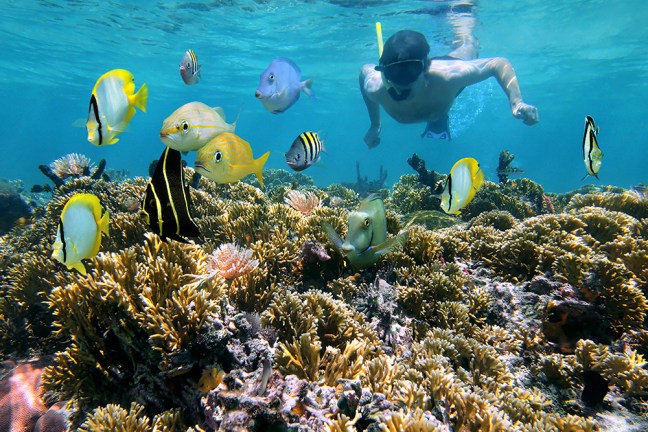
These tours can take the form of a South Africa safari, hikes through the jungles in many tropical regions, or boat cruises with the chance of spotting wild dolphins, whales, turtles and more. Snorkeling and scuba diving are other ways to experience animals in the wild without doing harm.
It’s not always possible to see animals in the wild and you risk the chance that you may not see anything; but whenever possible, this is the preferred way. Plus, what’s more exciting than encountering a wild animal in their natural habitat?
#2 Visit Captive Animals Responsibly
While seeing animals in the wild is preferred, we realize it’s not always possible. Maybe the animal is too rare, or you are limited by time or money. There are certainly conservation game parks that are often more easily accessible and still provide a good, ethically sound alternative to experiencing animals on your vacation.
Do your research to make sure the game park you are considering is a reputable one. Look at their website and other public information, as well as reviews on travel sites. Parks that offer animal rides and animal shows should be avoided.
Animal rehab centers and captive breeding establishments can also be a good option. However, before visiting these centers, make sure you research how the center handles the release of animals into the wild and where the animals came from in the first place.
Lastly, zoos can be a good way to experience animals but again, should be well researched. Legitimate zoos will usually have nice websites, reviews from other travelers and relationships with other international zoos.
Many zoos do a lot to conserve and breed animals and visiting can be a good way to support this work if the zoo is truly reputable. Avoid zoos where animals are kept in small cages or those that encourage visitors to ride animals.
#3 Avoid These Red Flags
We’ve touched on a few of the things to avoid in the sections above, but if you want to ensure an ethical animal encounter, you should certainly look to avoid the following things:
– Caged and chained animals
– Animal shows, especially when animals are made to do unnatural things (like elephants being made to paint)
– Animal rides
– Taking selfies with tigers and other wild animals
Often you can get a good gauge of whether or not a company promotes these sorts of things by browsing through photos on their website and reading reviews on travel websites. If you are still not sure, don’t hesitate to reach out and ask the company directly.

#4 Do Your Research
We can’t emphasize enough how important it is to do your research. If you plan ahead, you can make sure you are only supporting companies that are treating animals well and operating ethically.
Before you book anything, attempt to find out what the main goal of the company is — whether they are rescuing captive animals, protecting endangered species, breeding rare animals or alternatively attempting to make money from tourists at the expense of the animals.
Research a company’s affiliations and registrations. Many reputable companies will be registered as an NGO or at the very least will do work with NGOs. There are also a number of organizations that accredit animal sanctuaries, such as the Global Federation of Animal Sanctuaries, which has quite rigorous requirements of its members.
Doing a bit of research before your trip can help ensure you experience animals in an ethical way on your travels.
 There was a time not too long ago when the word “mother or grandmother” brought to mind someone baking cookies in the kitchen. Today’s parent has an entirely different world to deal with than the parents of those generations. Keeping our family healthy and happy is a challenge that we gladly address, but there are few guidelines to help us. We are trying to protect and teach our kids how to live smart.
 Mommy Hiker